Our Festivals Legacy
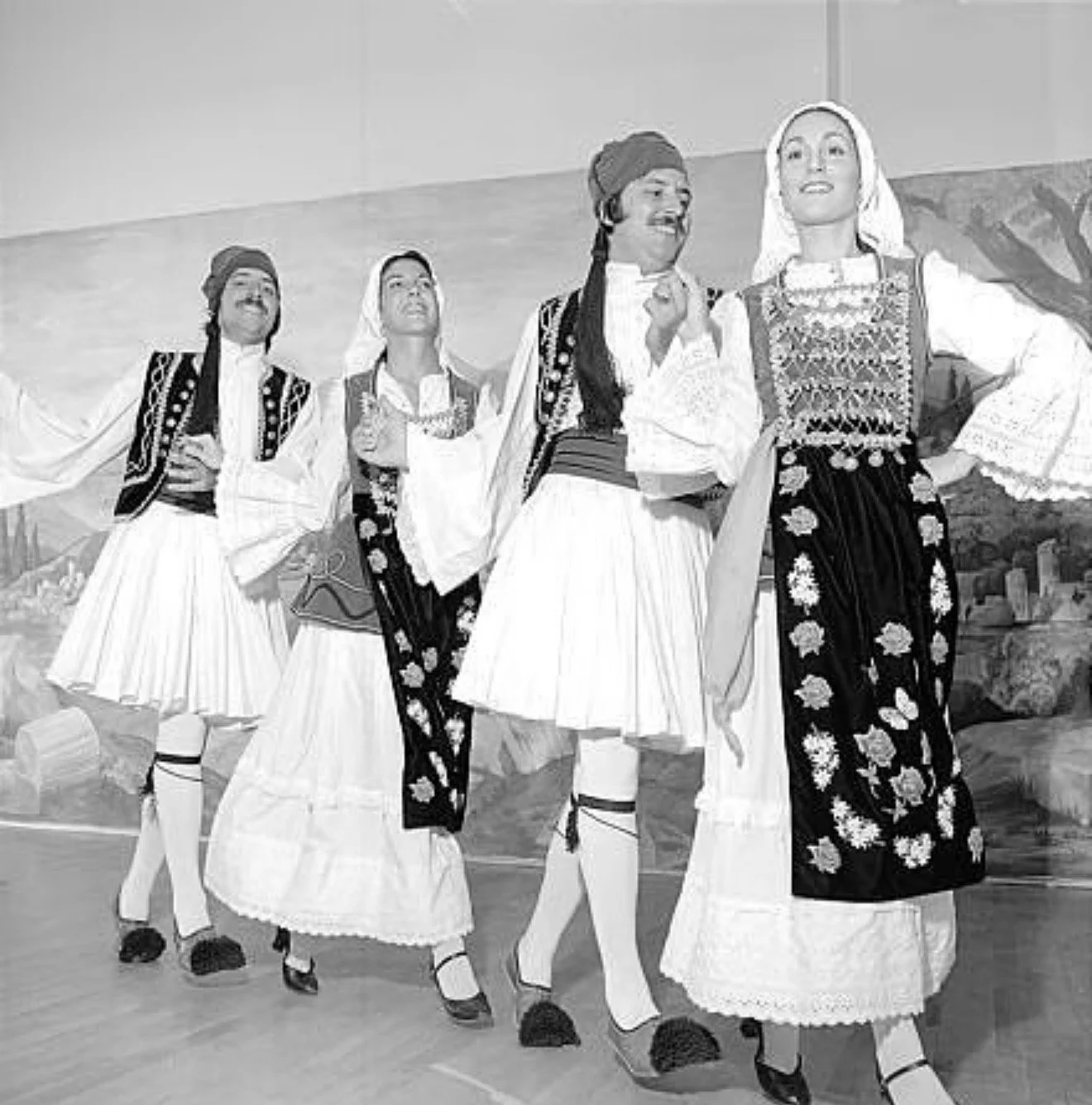
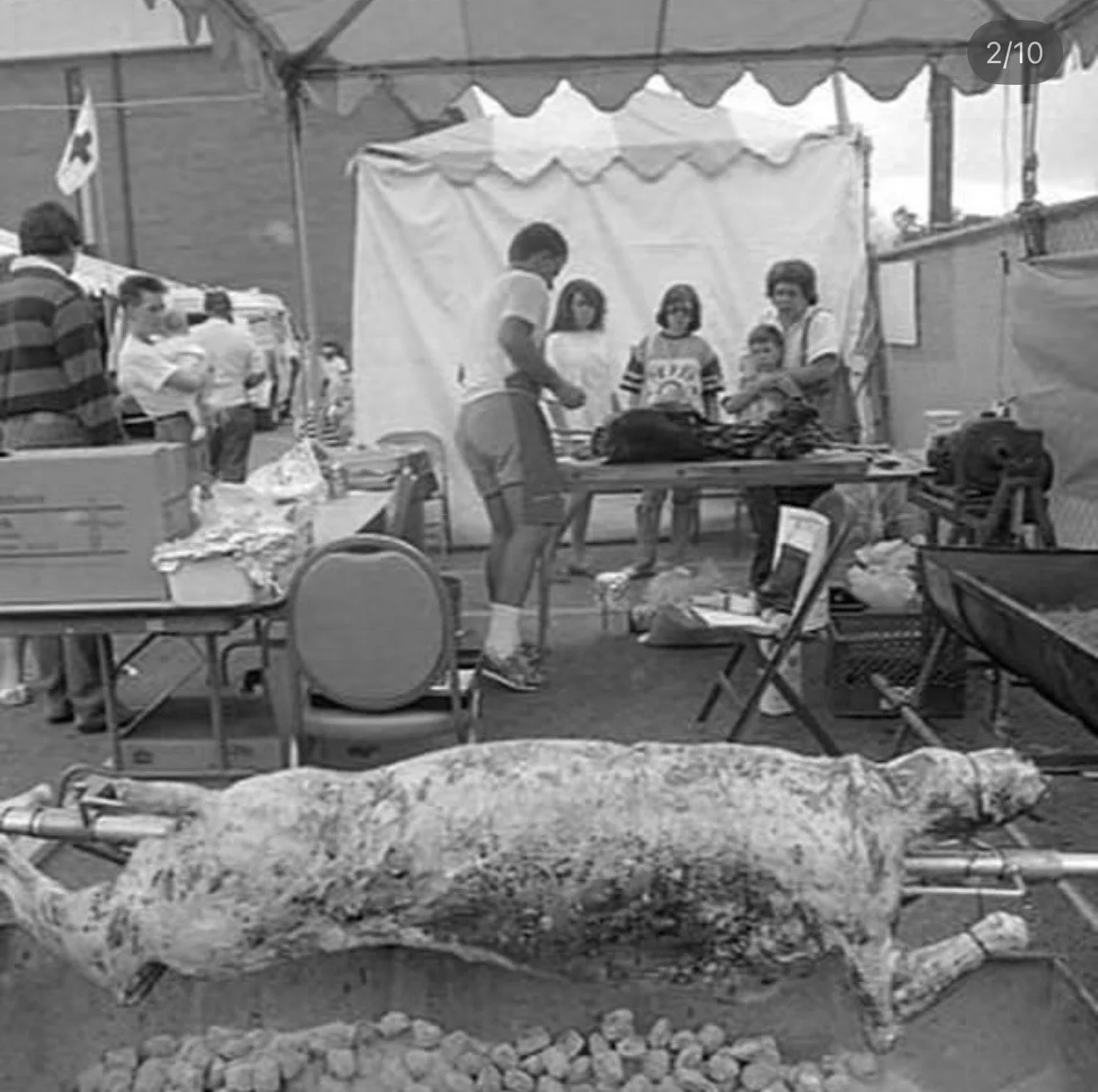
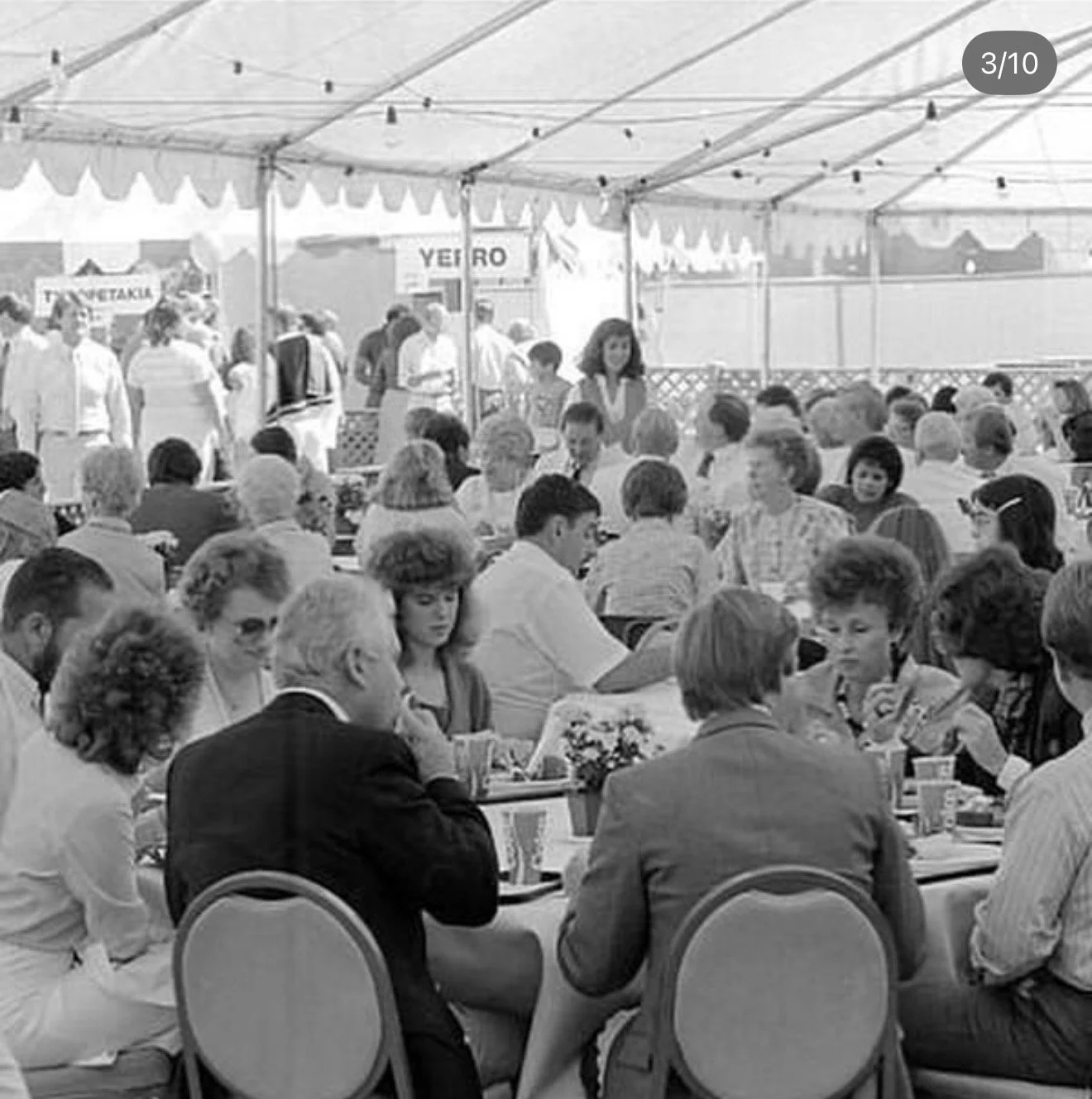
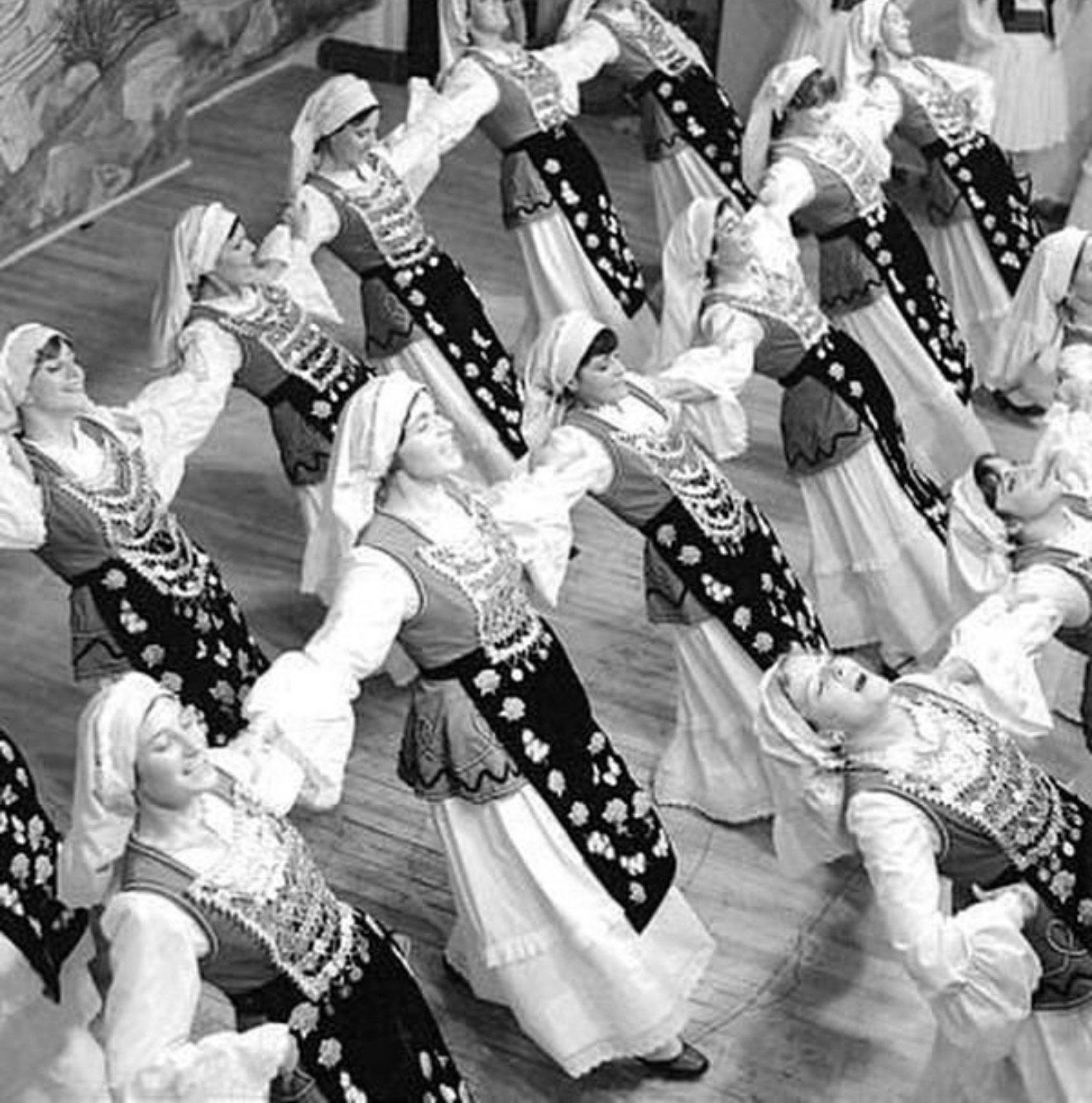
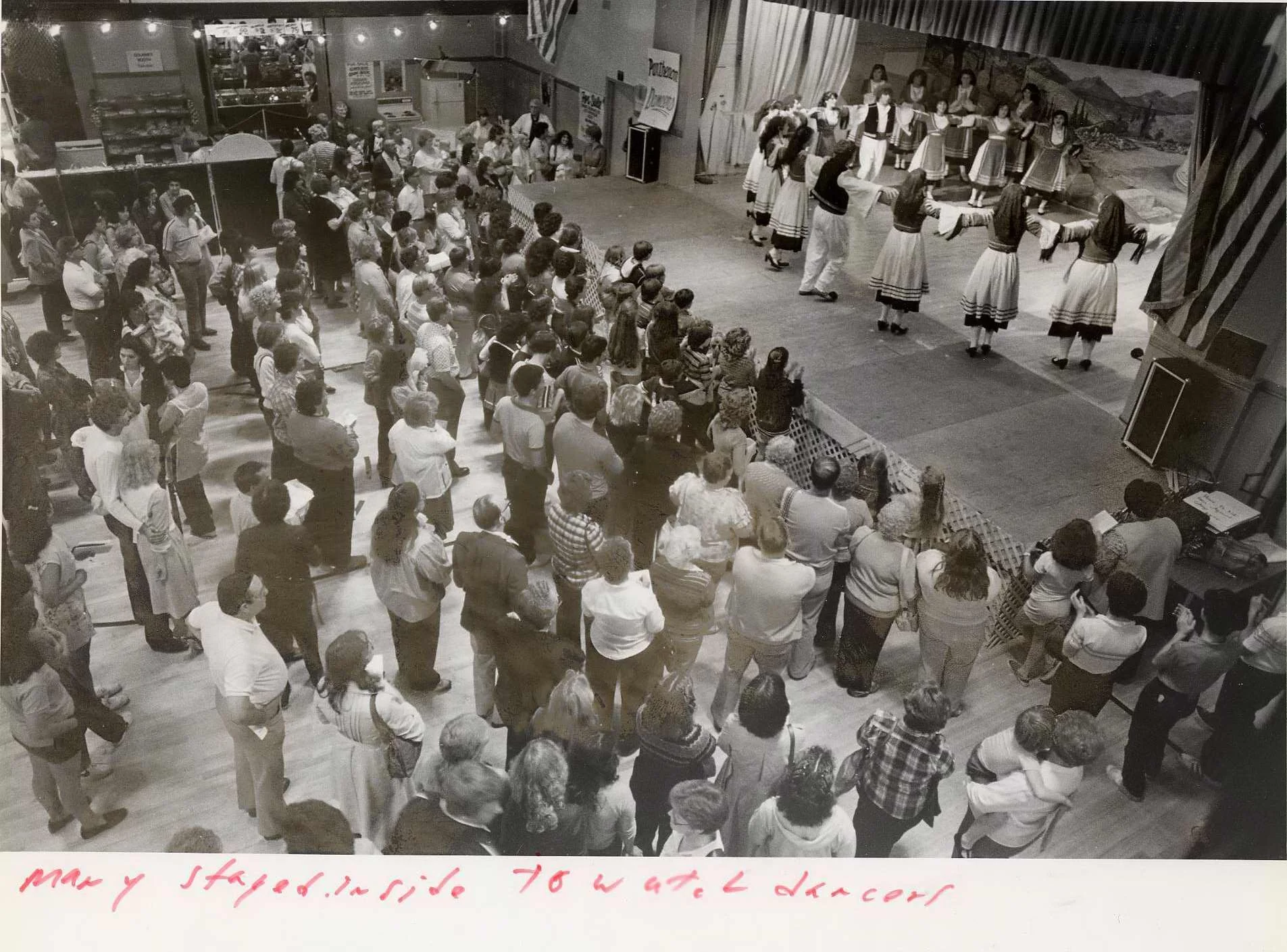
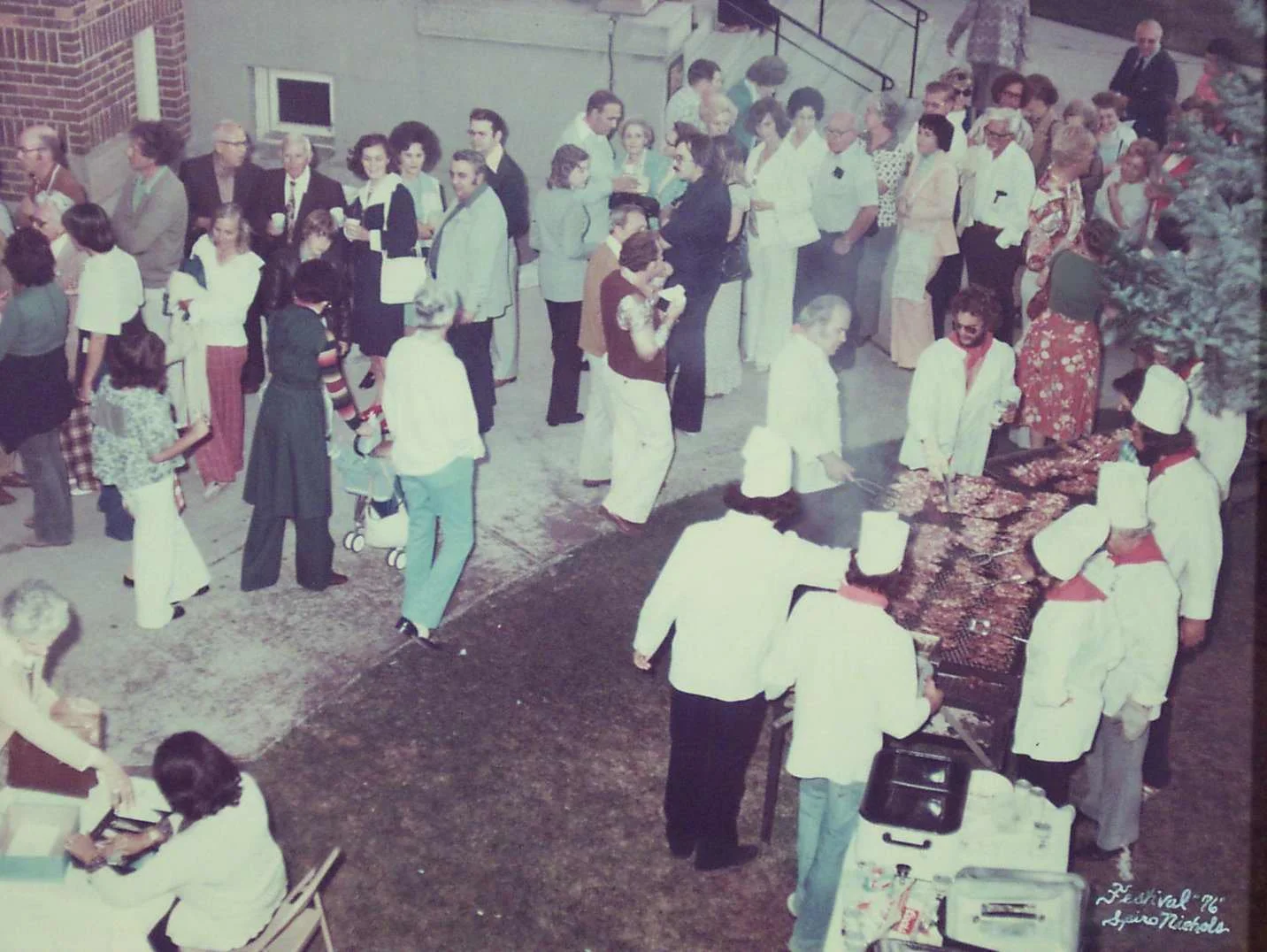
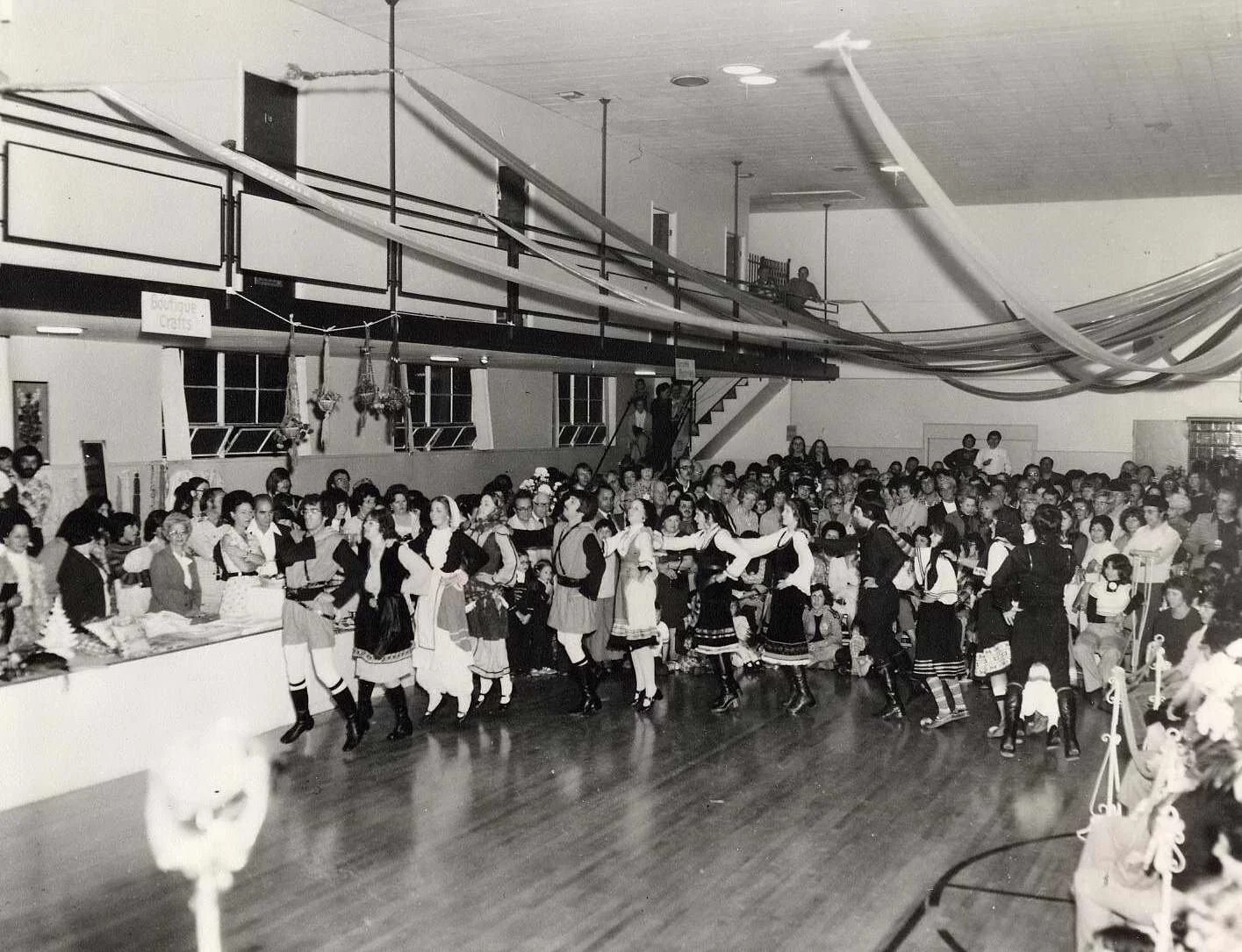
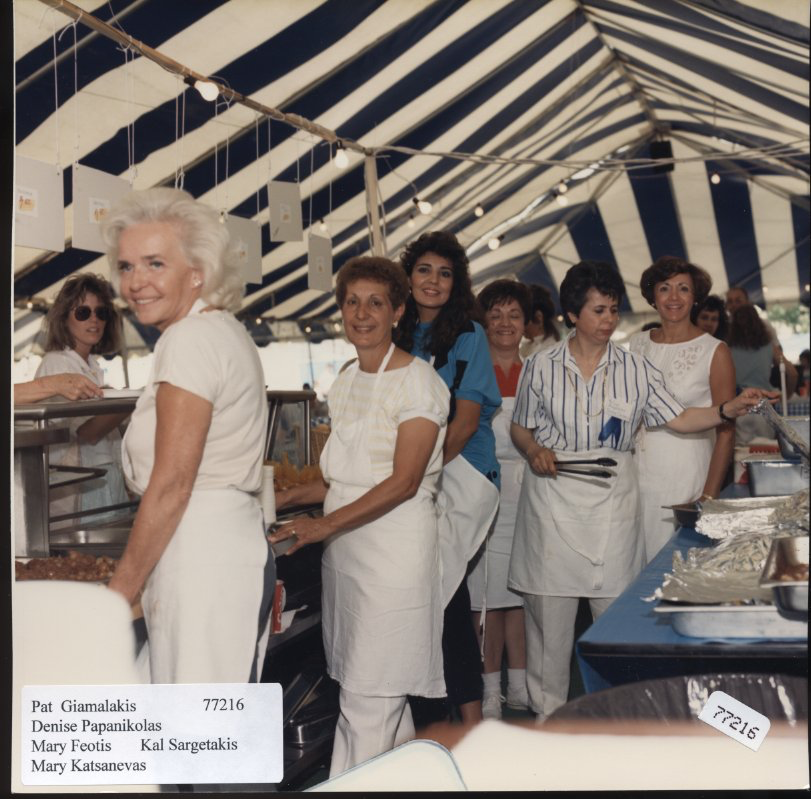
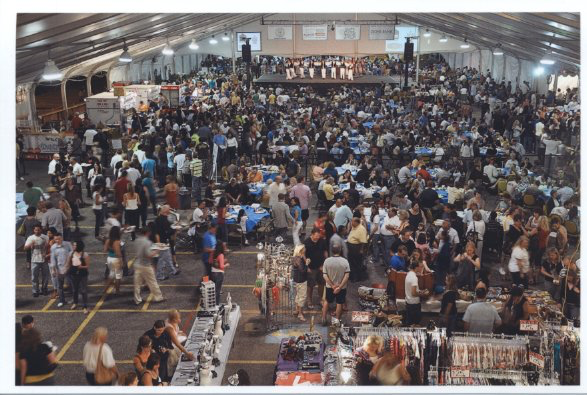
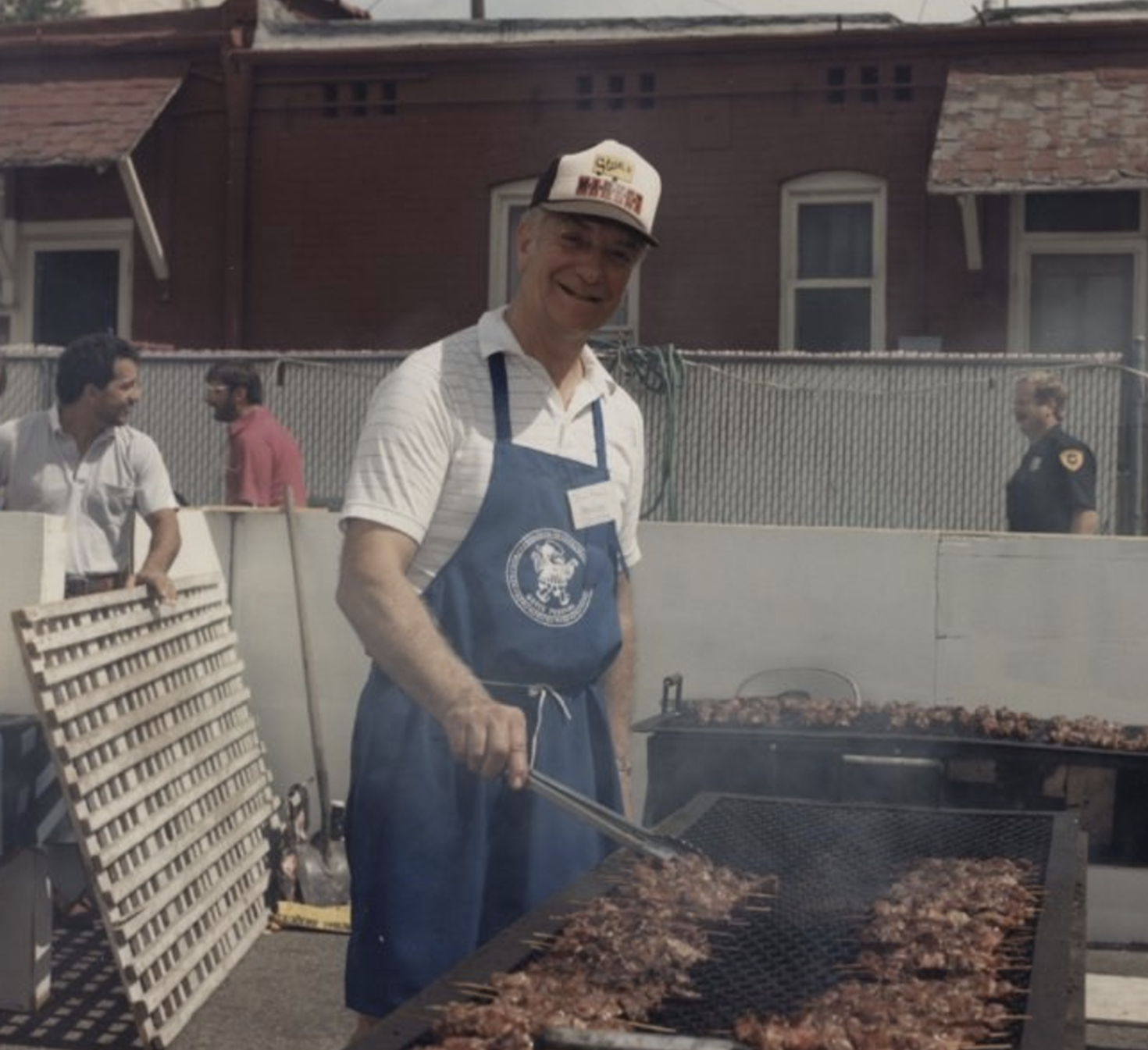
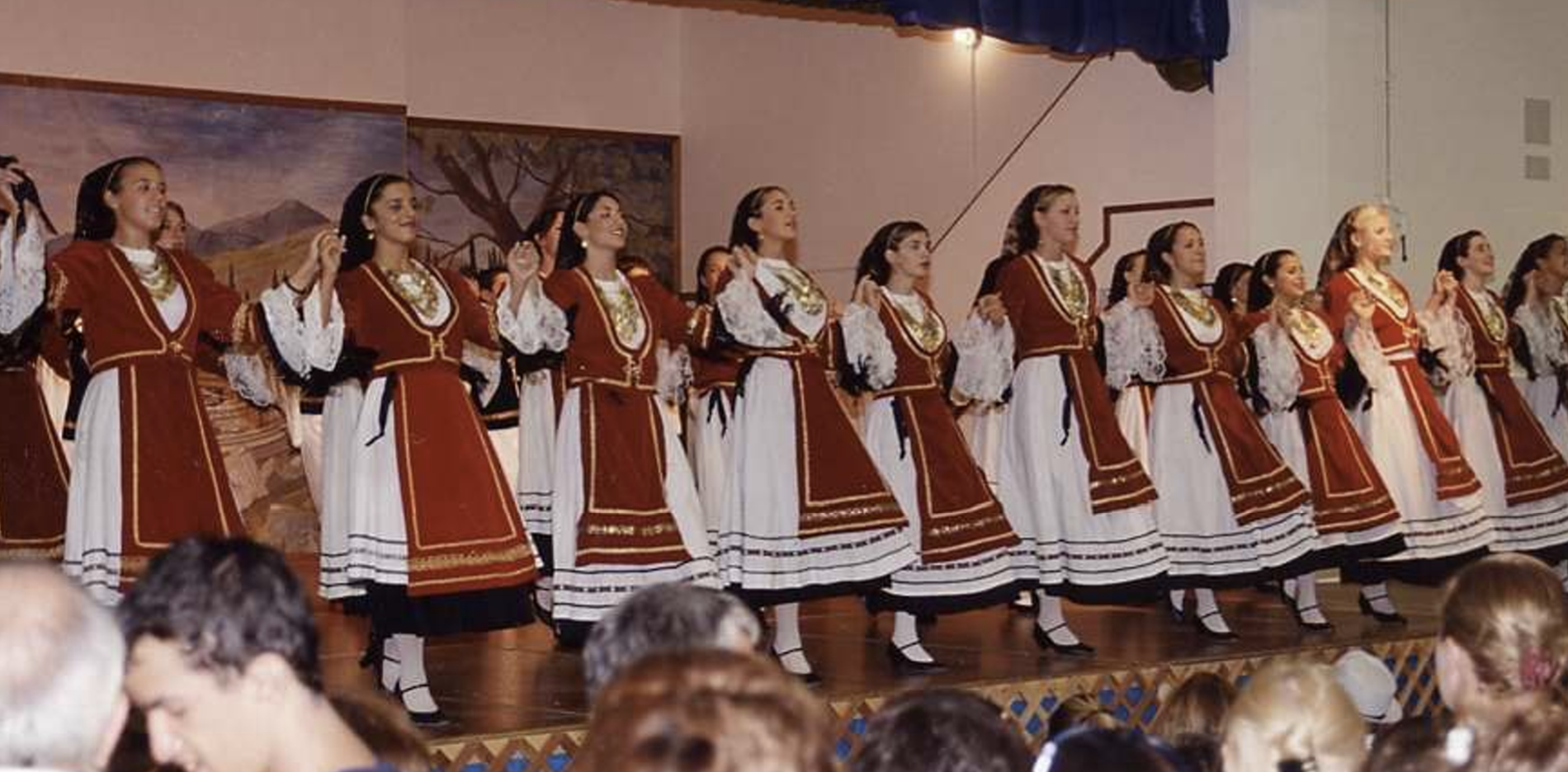
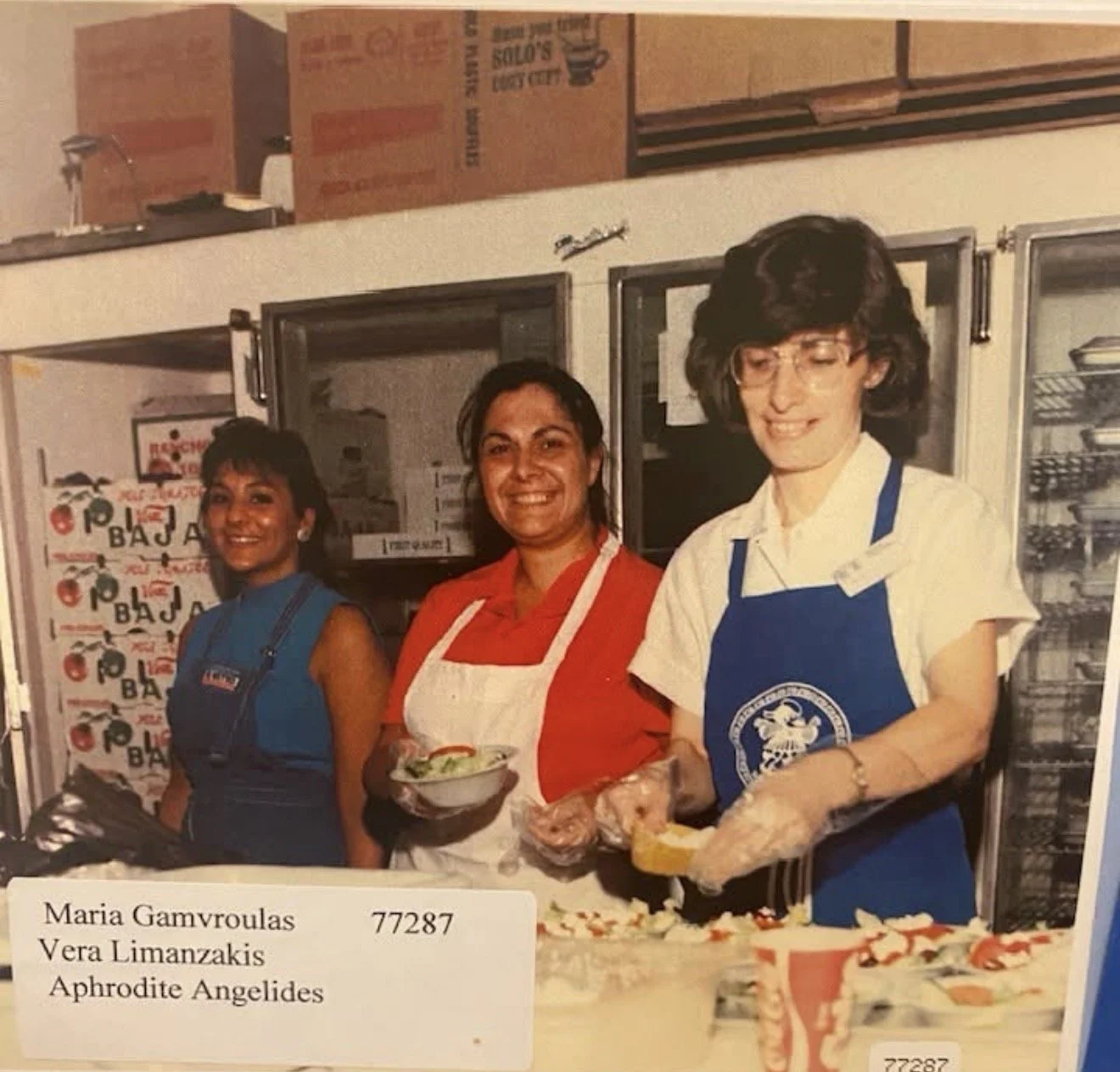
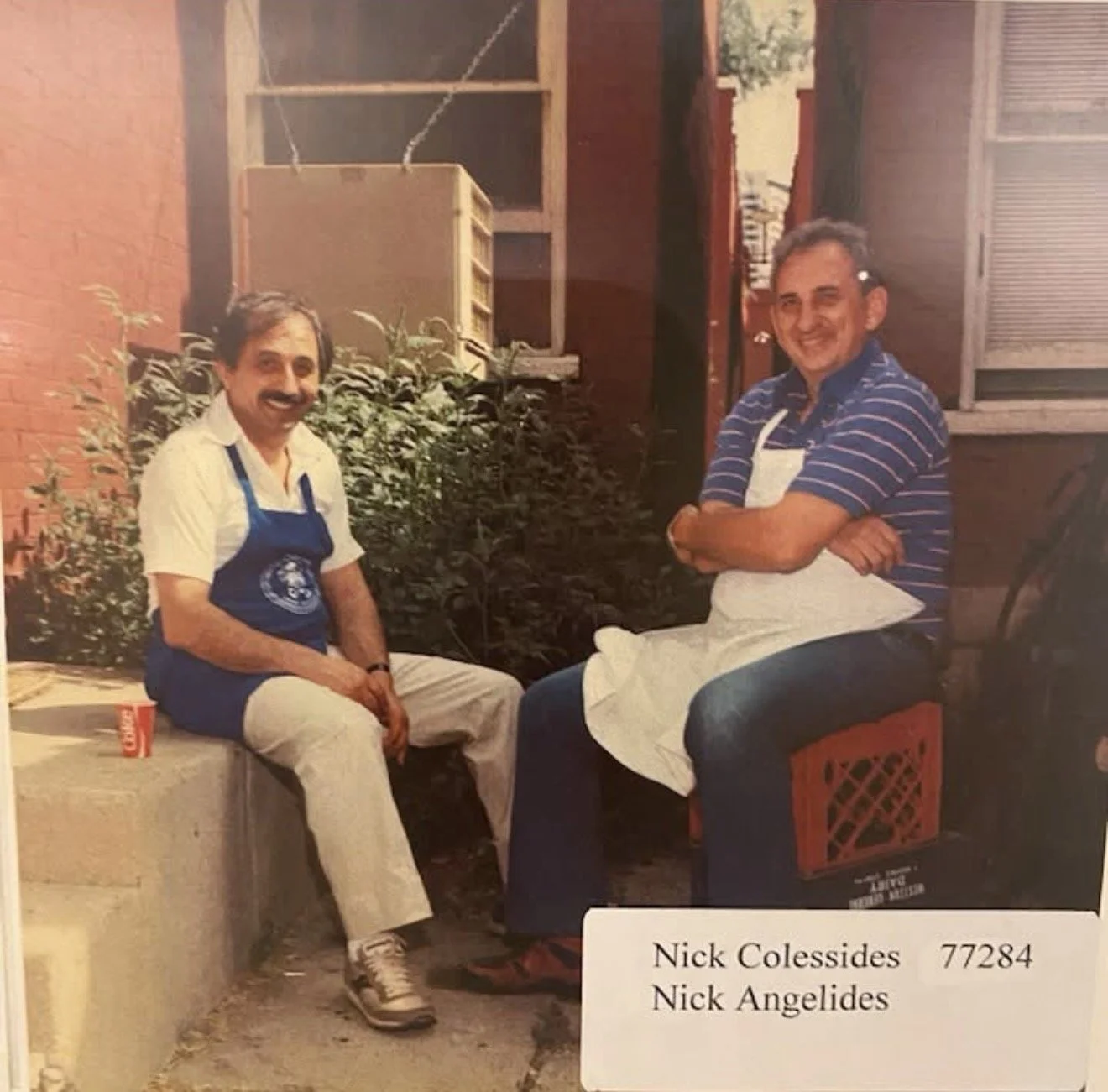
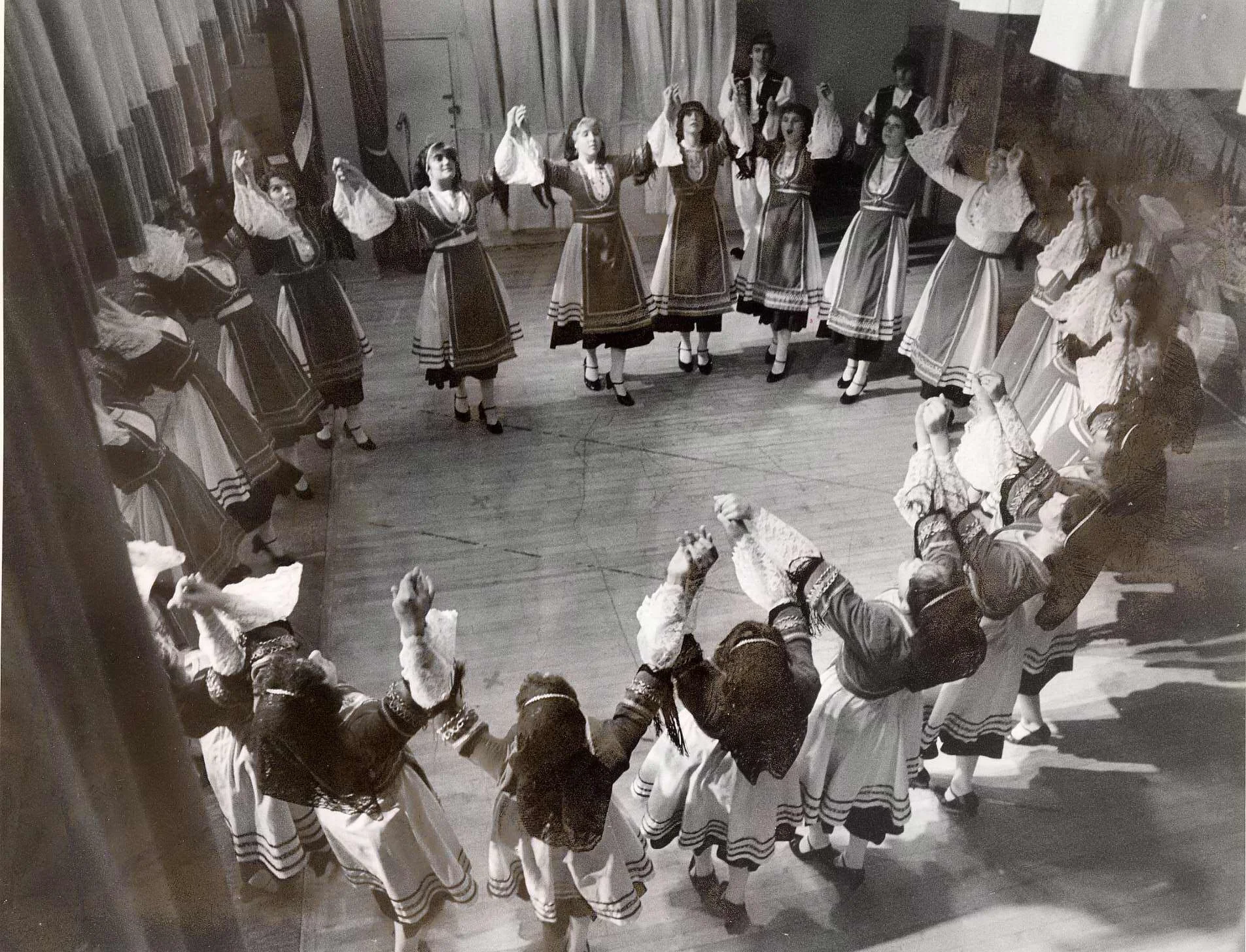
The “Greek Festival”, an annual activity has been successfully sponsored by the community since 1976. This event is considered to be one of the finest civic/cultural activities in the entire state; it is perhaps the most successful “ethnic” festivals, in Utah. The community has received great exposure-the general public has become aware of our religion, culture, and heritage.
Today we are one of the largest single Greek Orthodox Parishes west of Chicago. We are one of the largest Greek Orthodox Parishes in the Greek Orthodox Archdiocese of America, with two churches under one Parish Council, and a unified Parish program and a united community.
Today, the total integration of the Salt Lake City Greek Orthodox Community into the mainstream of the American way of life has been fulfilled. The Greek Community has become an important and productive element in the business, civic, cultural, educational and social life of our city, state and nation. Yes, the “American Dream” that brought our forefathers to this land and city has succeeded.
Today, the 1200 plus members include Greek Immigrants, Greek-Americans, 2nd, 3rd, 4th, and 5th generations, many converts, and inter-faith marriages and other Eastern Orthodox from Bosnia, Russia, Serbia, Romania and Armenia.
Special “Thank You” to Constantine J. Skedros for providing the historical information.
Memories Never Leave
Greek Festival in SLC from 1935 through mid-1960's
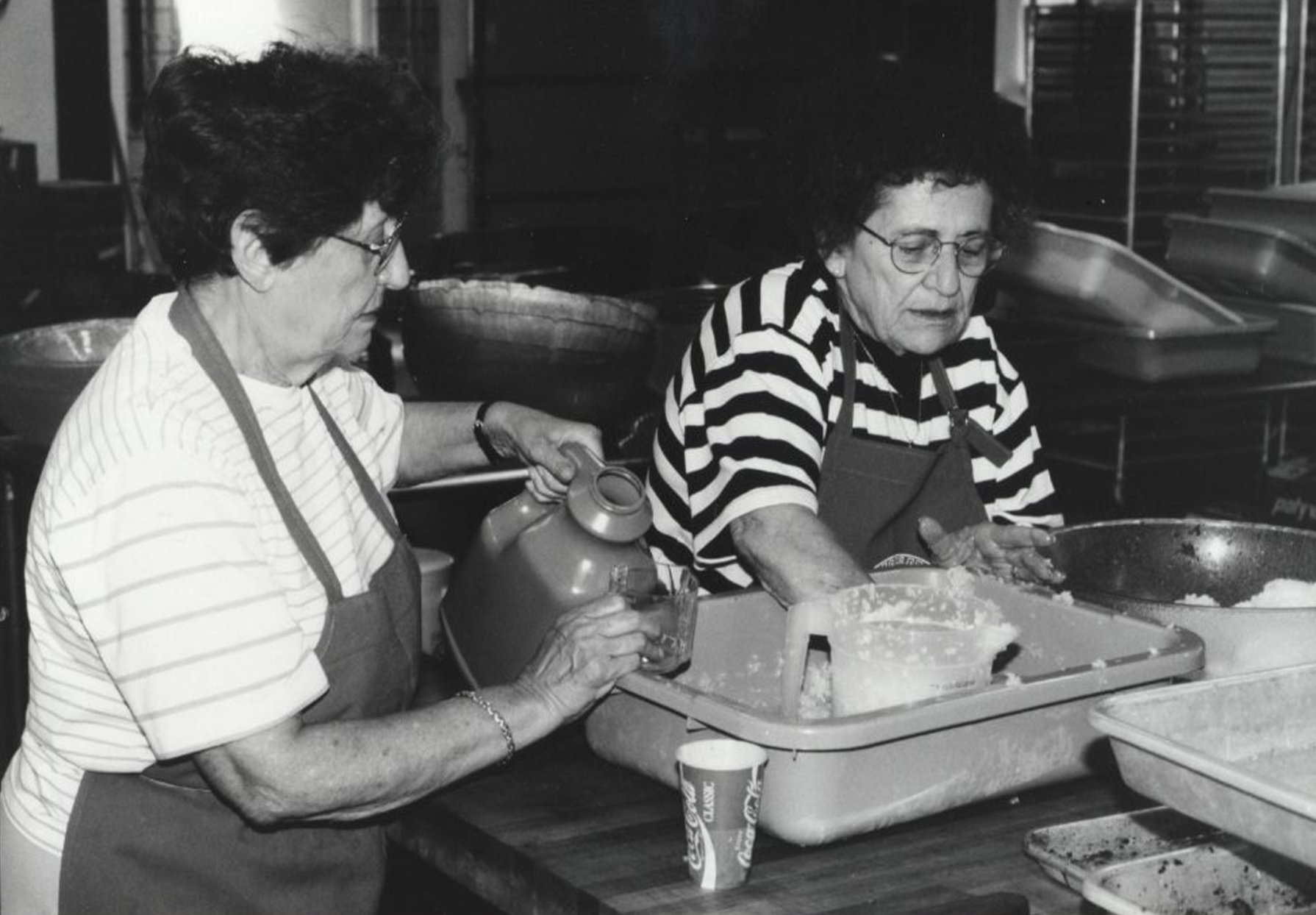
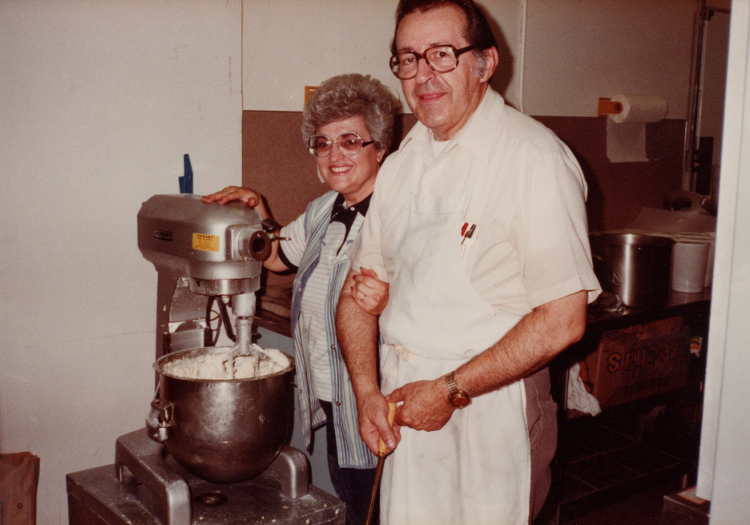
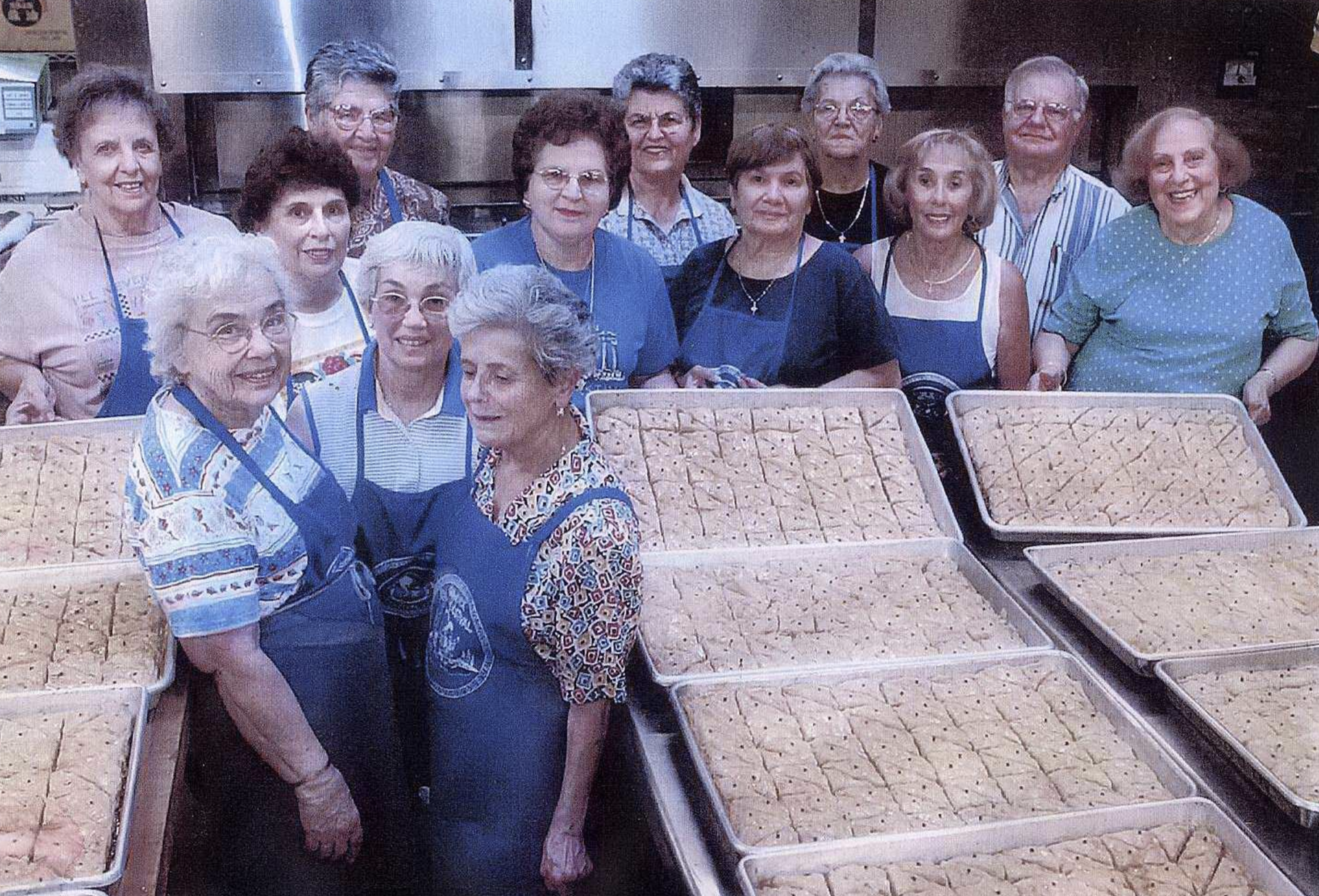
The Mothers Organization sponsored an annual one day Bazaar. It was first held in the basement of the church and later in the Memorial Cultural Center.
In 1965, the Mothers Organization became the Holy Trinity Philoptochos Society and they continued the one day Bazaar until 1975 when the Philopthochos and the Parish Council decided to do a joint effort and expand the event for two days. In 1976, an additional day was added to the Festival expanding the event to three days.
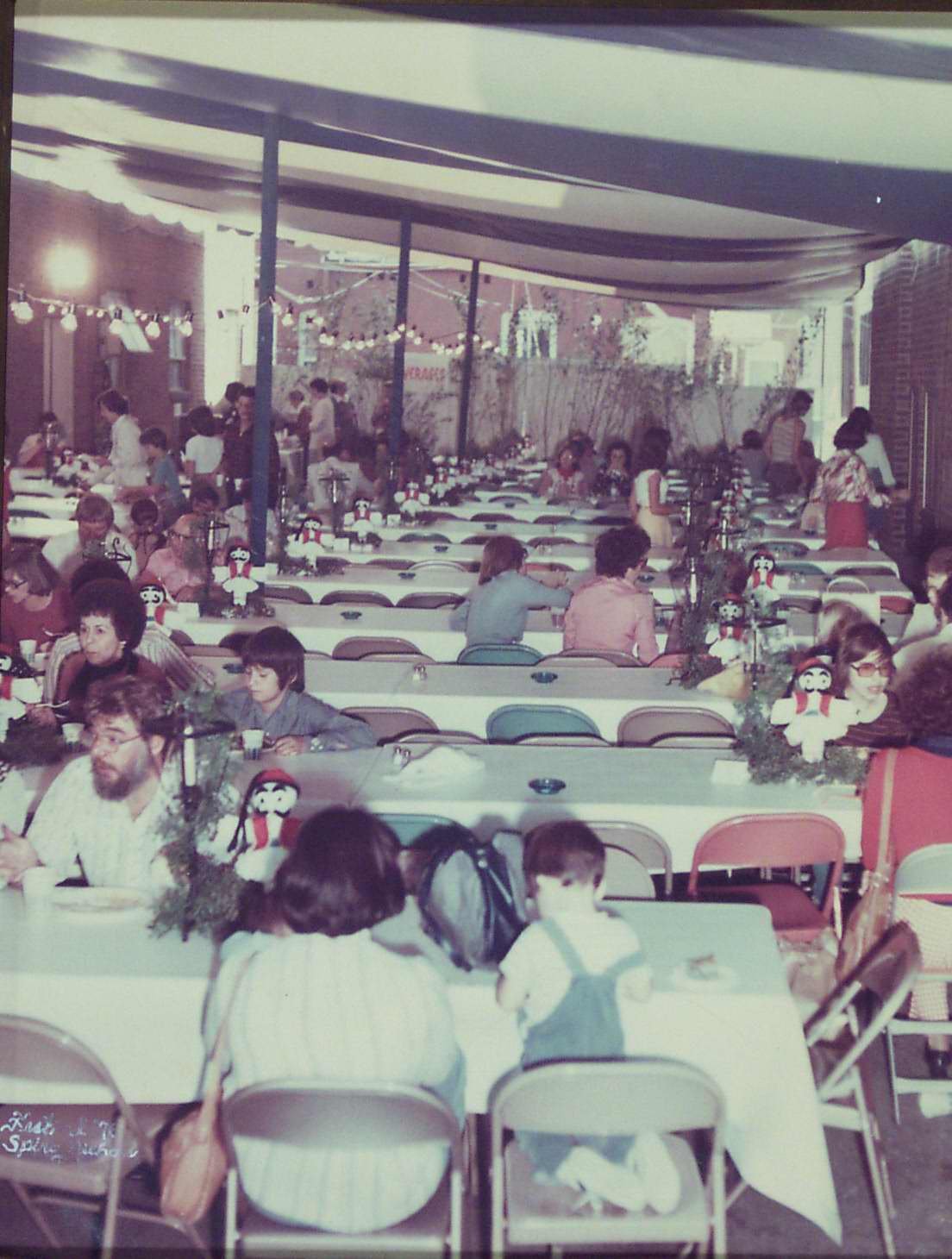
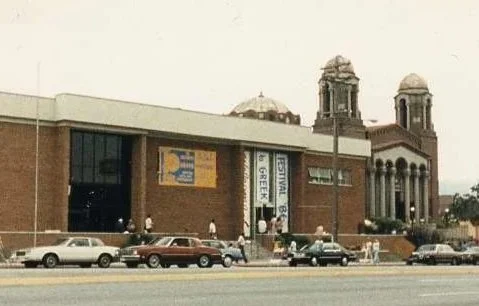
From 1977 to 1979, in an effort to accommodate the increasing number of visitors attending the Festival, the community decided to add the Cultural Center which provided seating for 400 people and also added a larger kitchen for food preparation.
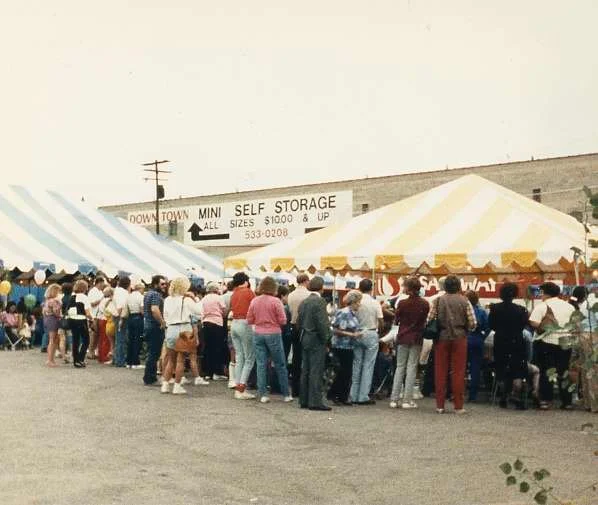
As the Greek Festival continued to grow from 1978 through 1988, additional property was secured to provide additional space for the festival visitors.
In 1992-1993, the Parish Council approved the construction of a warehouse to help prepare for the festival. In addition, during this period the courtyard between the Cultural Center and Holy Trinity Cathedral was renovated with a fountain and benches and was made available for festival visitors to enjoy.
In 1992, the Hellenic Cultural Association opened the Hellenic Museum in the basement of the Holy Trinity Cathedral. The museum became the first Ethnic Greek Museum in the United States and attracts many visitors throughout the year and especially during the Festival.