
The Greek Immigrant Experience
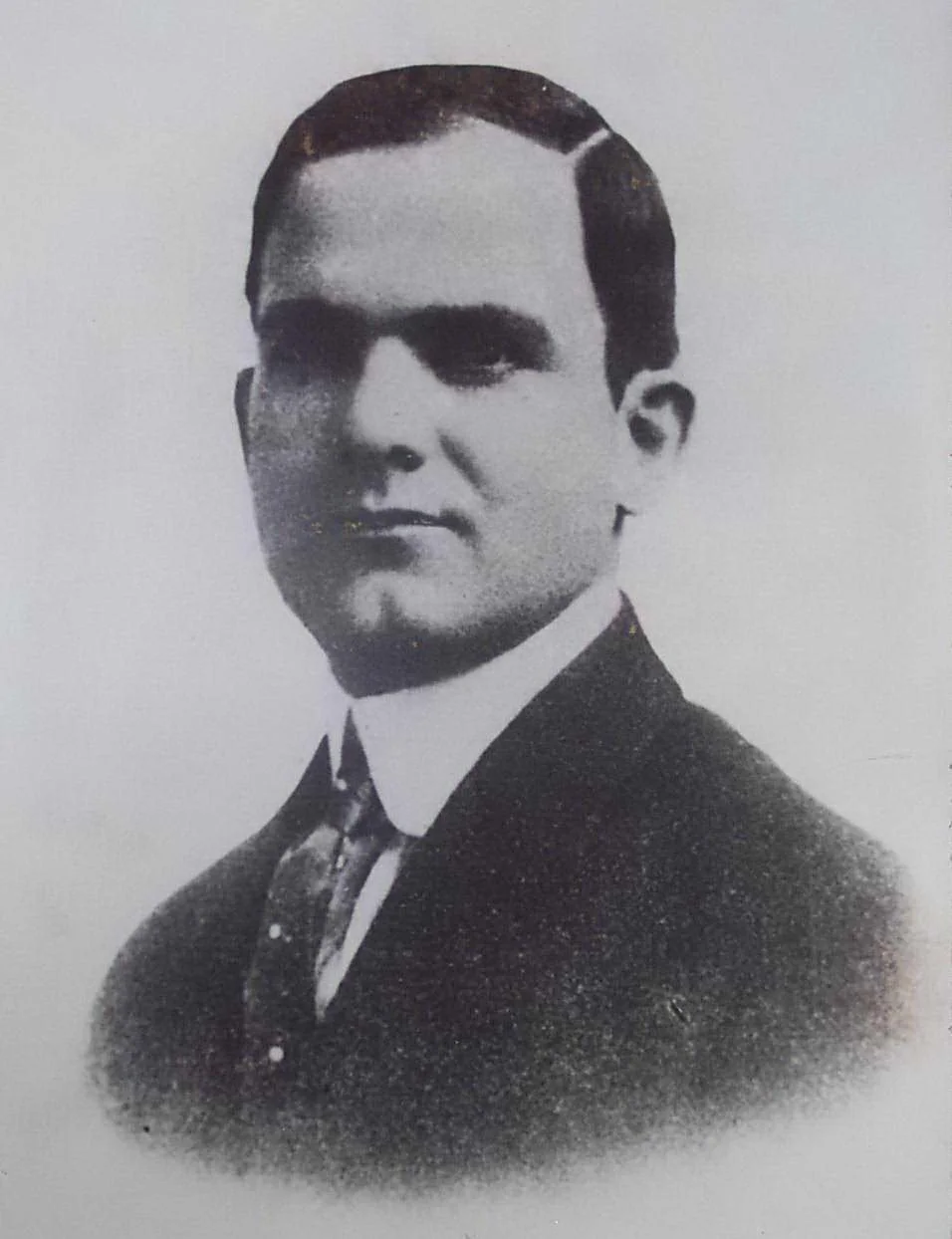
A few Greek immigrants had found their way to Utah. Nicholas Kastro was the first to arrive in the 1870’s. Leonidas Skliris, who later became well known to his fellow countrymen, came to Salt Lake in 1897. The Census of 1900 listed 3 Greeks in Utah. By 1900, Greek immigrants began arriving in Salt Lake City either singly or in small groups.
Rapid industrialization of Utah at the turn of the century encouraged an influx of Greek immigrants into Salt Lake City. By 1904, Salt Lake City had become a hub of mining and railroad activities. Because of the nearness of the city to the Utah copper pit in Bingham Canyon, the mill-smelter towns of Midvale, Murray, Magna, Garfield, and Tooele, coal mining activities in Carbon-Emery Counties required immigrant labor.
By 1904, the newly arrived immigrants were settling along Second, Third and Fourth South between First and Sixth West. This section of the City became known as “Greek Town.” Greek Town became the economic, social, and residential center for thousands of Greeks who called Salt Lake their home.
Greeks in Utah before 1900
The First Holy Trinity Church in SLC
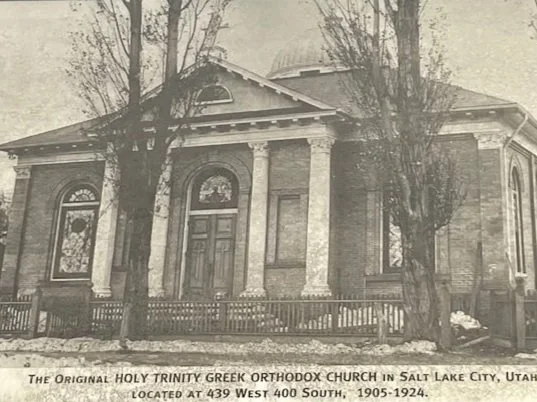
On January 22, 1905, a general meeting of all the Greeks was called. Over 200 met in the Odd Fellows Building in Salt Lake City to organize the Greek Community of Utah. Plans were made to raise money, selected a church site, and obtained the services of an Orthodox priest.
Within a few months, a property was purchased at 439 West 400 South, Salt Lake City, and a loan of $7,000 was negotiated with Walker Brothers Bank for construction of the Church. In April 1905, the first Orthodox priest arrived from Greece. On Sunday, October 29, 1905, the church was dedicated and was given the name Holy Trinity Greek Orthodox Church.
Holy Trinity Church of Salt Lake City became the 14th organized Greek Orthodox Parish Community in the United Sates, the oldest between St. Louis and San Francisco.
Hub of Mining &
Railroad Activity
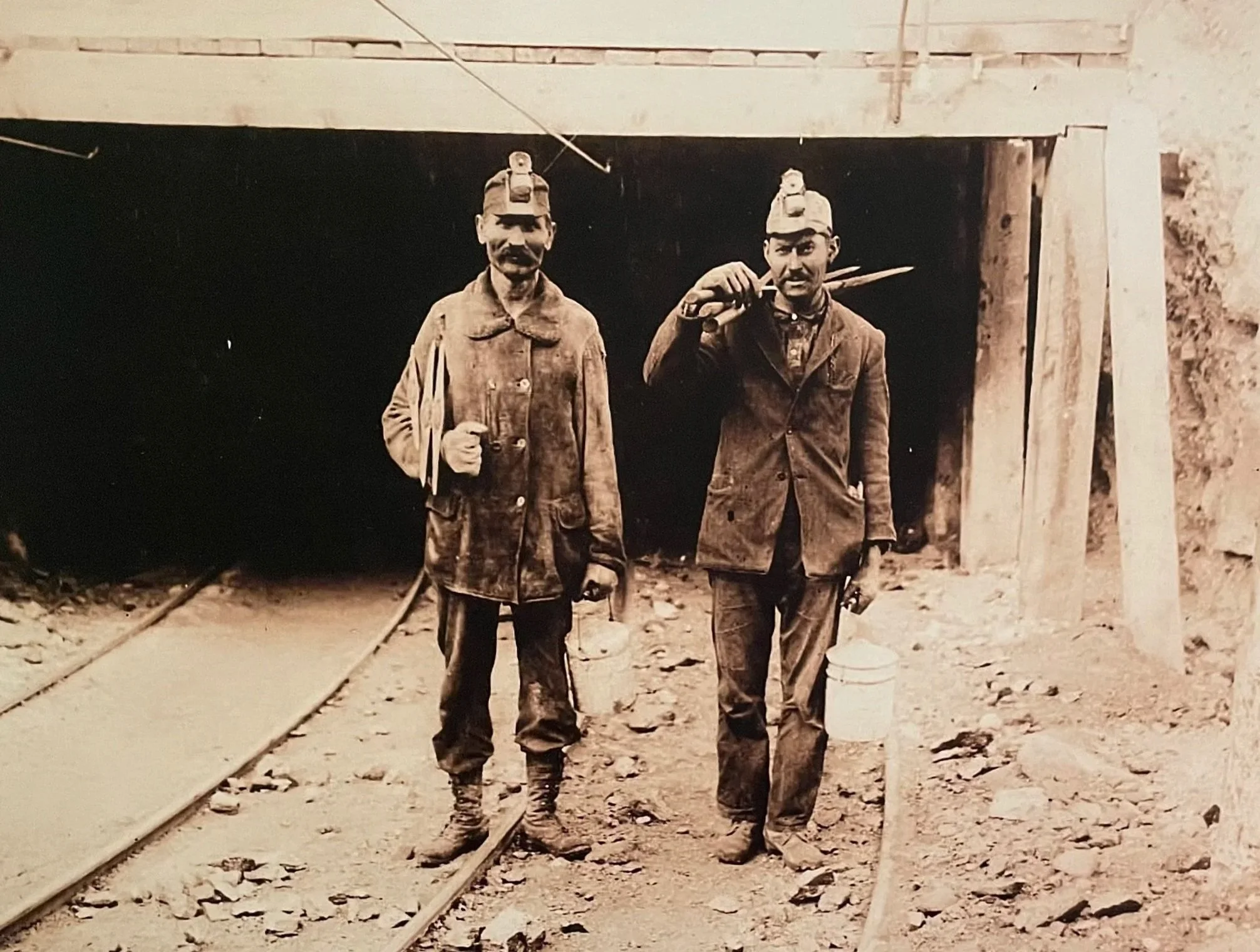
By 1910, the newly arrived Greek Immigrants had become the dominant labor force in the region’s railroad, coal mines, metal mines, smelters and construction crews. In 1912, Greek Immigrants working in Salt Lake County mining enterprises, railroads, etc, numbered over 4,000.
A study made by Louis J. Cononelos on the “Greek Immigrant Labor”, a Master’s Thesis, for the University of Utah, 1979, estimated that by 1915, over 20,000 Greeks were in the labor force in the Intermountain West. As the number of immigrants increased, so did the needs of the Community. The Church built on 1905 was too small for the Community. By now, large numbers of people had settled in Magna, Murray, Midvale, Garfield, Bingham Canyon, Tooele and Ogden. Each of these communities had developed its own smaller “Greek Towns.”
Greek Business Enterprises
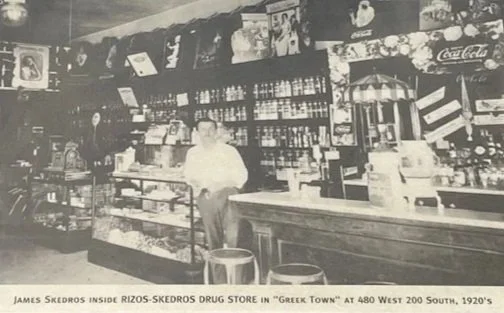
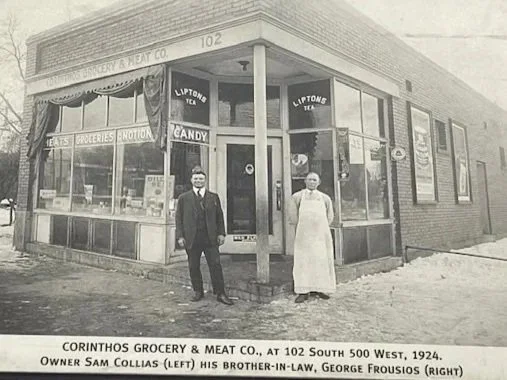
Even though the majority of the newly arrived immigrants were primarily involved as laborers, many of them were determined to develop their own small business. A survey made of the Greek owned and operated business established in the Greater Salt Lake area in 1916, is as follows:
Bingham Canyon – 34; Magna-Garfield – 30; Midvale – 19;
Murray – 19; Tooele – 8; Ogden – 30; Provo – 1;
Salt Lake City – 190; Park City – 2; Logan – 2l Total – 340
The Second Holy Trinity
By 1915, it was very obvious to Community leaders that a new and much larger Holy Trinity Church was needed to take care of the ever increasing Greek Community of the Greater Salt Lake area.
In 1917, the United States had entered World War I. Hundreds of young Greeks, anxious to show their patriotism for their adopted country, joined the Armed Forces. Fifteen of these young brave men made the supreme sacrifice for their adopted country, America.
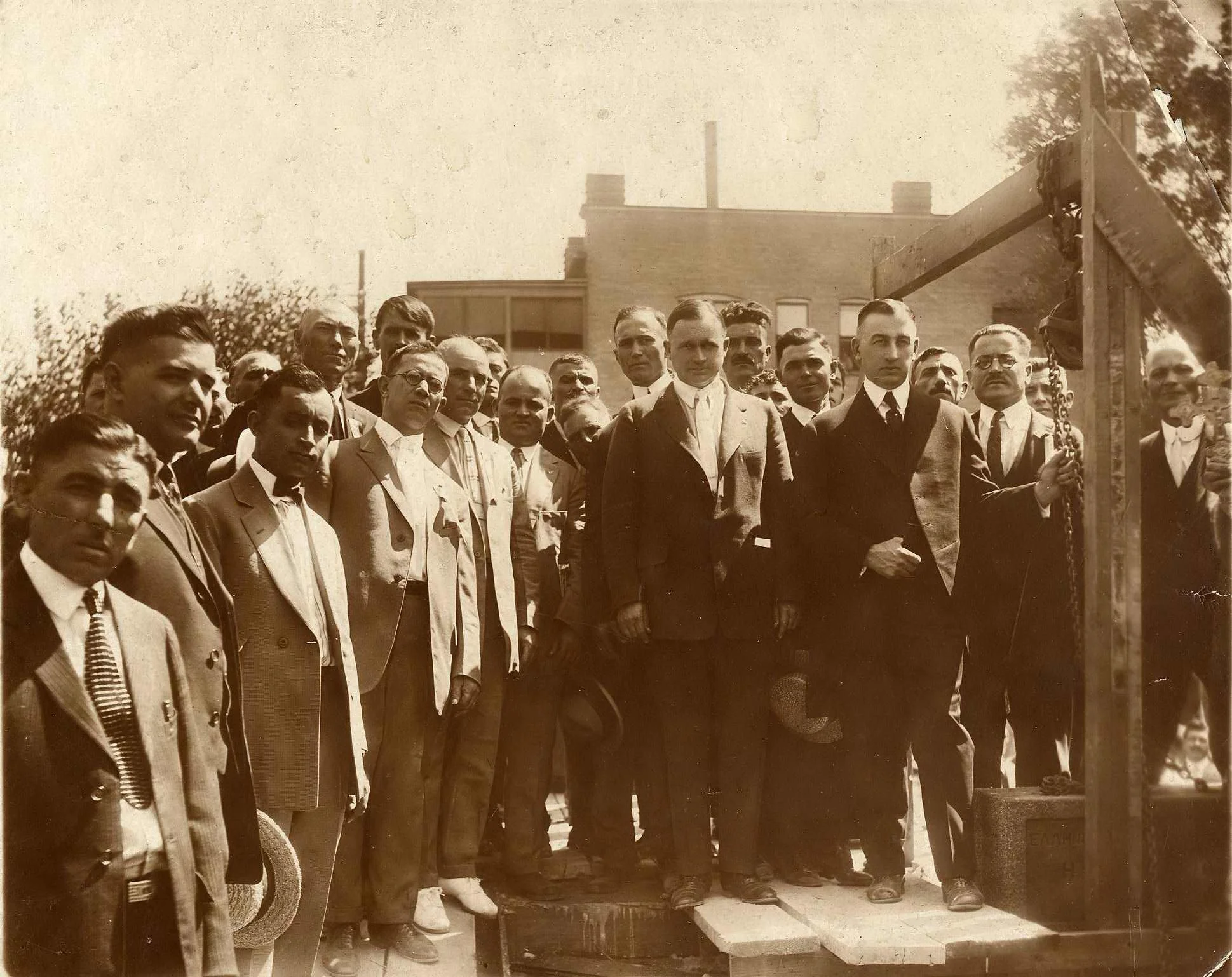
In 1920, the Community took steps to build a larger church. The original church was sold for $18,000. A new site was purchased on the corner of Third South and Second West for $20,000. The corner stone of the new church laid on August 28, 1923. The new Holy Trinity was consecrated on August 2, 1925. The new edifice was unique in that it furnished Salt Lake City and the intermountain West with a distinctive example of Byzantine architecture.
With America involved in World War II, life at home changed dramatically. The younger generation and the immigrants from Greece, who by now, had called the United States their home for nearly forty years, dedicated themselves to the life and death struggle which faced our nation. Over 400 young men and women from the Parish served with honor in the Armed Forces. Fourteen of the young men did not return; they too had made the supreme sacrifice for their country.
1923 - Corner stone placement
A Second Church for SLC
During the late 1950’s and into the early years of the 1960’s, the Holy Trinity Parish experienced a phenomenal growth. By 1965, it was obvious to many parishioners that an immediate solution to the Sunday School issue was the building of another church complex. Other members of the Parish felt building another church would divide the Parish. The greatest issue was dividing the community into two separate parishes.
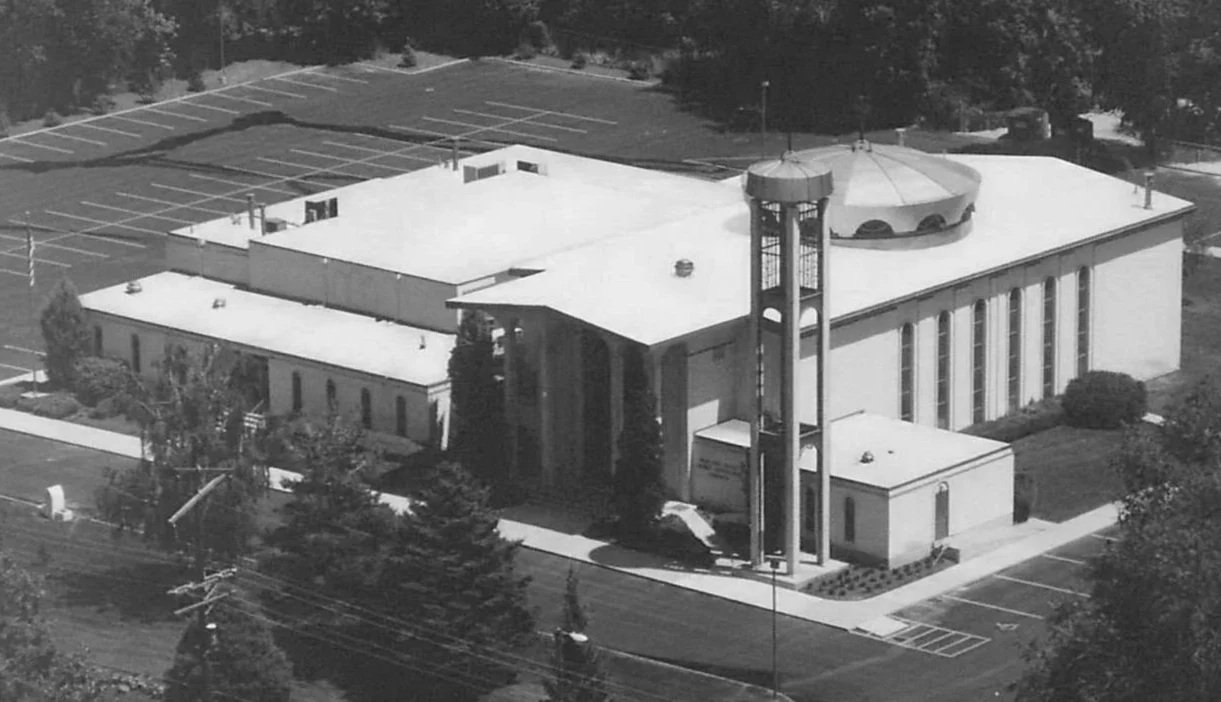
On April 24, 1966, at a General Assembly, the Assembly voted to purchase property at 5335 Highland Drive, plan, design and build an additional church. The New Building Committee assumed this most important assignment with the unanimous understanding that the new church-with Holy Trinity would be under the direct control of a single Parish Council and that we would be a united community. Prophet Elias Church complex was ready for occupancy by December of 1969. The first liturgy was held on December 21, 1969In 1975, Holy Trinity Greek Orthodox Church was designated as a historical building and was designated on both the state and national register. In 1996-1998, a large Multi Purpose center was built at the Prophet Elias Church complex at a cost of $2.2 Million. Included in the new center was a regulation size basketball court, additional Sunday School classrooms and a full kitchen facility. In addition, a large educational wing was added for the newly established Saint Sophia Hellenic Orthodox School. In April of 1968, Archbishop Iakovos, Primate of the Greek Orthodox Archdiocese visited Salt Lake City, and elevated the Holy Trinity Greek Orthodox Church of Salt Lake City, to a Cathedral.
A Legacy of Faith, Culture & Celebration
Our Faith, Our Cornerstone
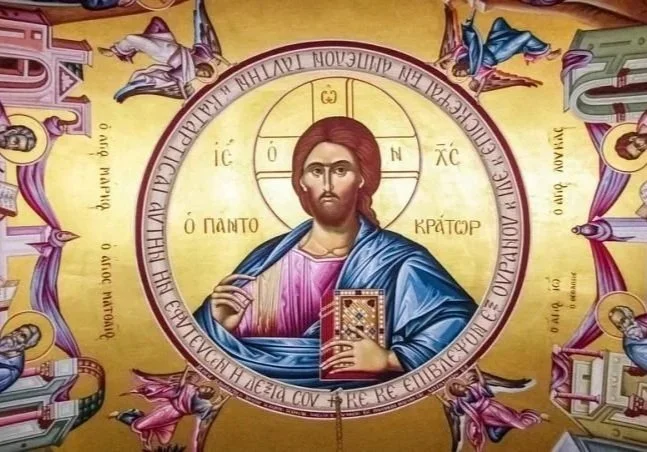
Rooted in the traditions of the Greek Orthodox Church, our faith is the foundation of our community and guides our lives in worship, service, and fellowship. Passed down through generations, it continues to inspire a deep sense of connection, devotion, and shared heritage.
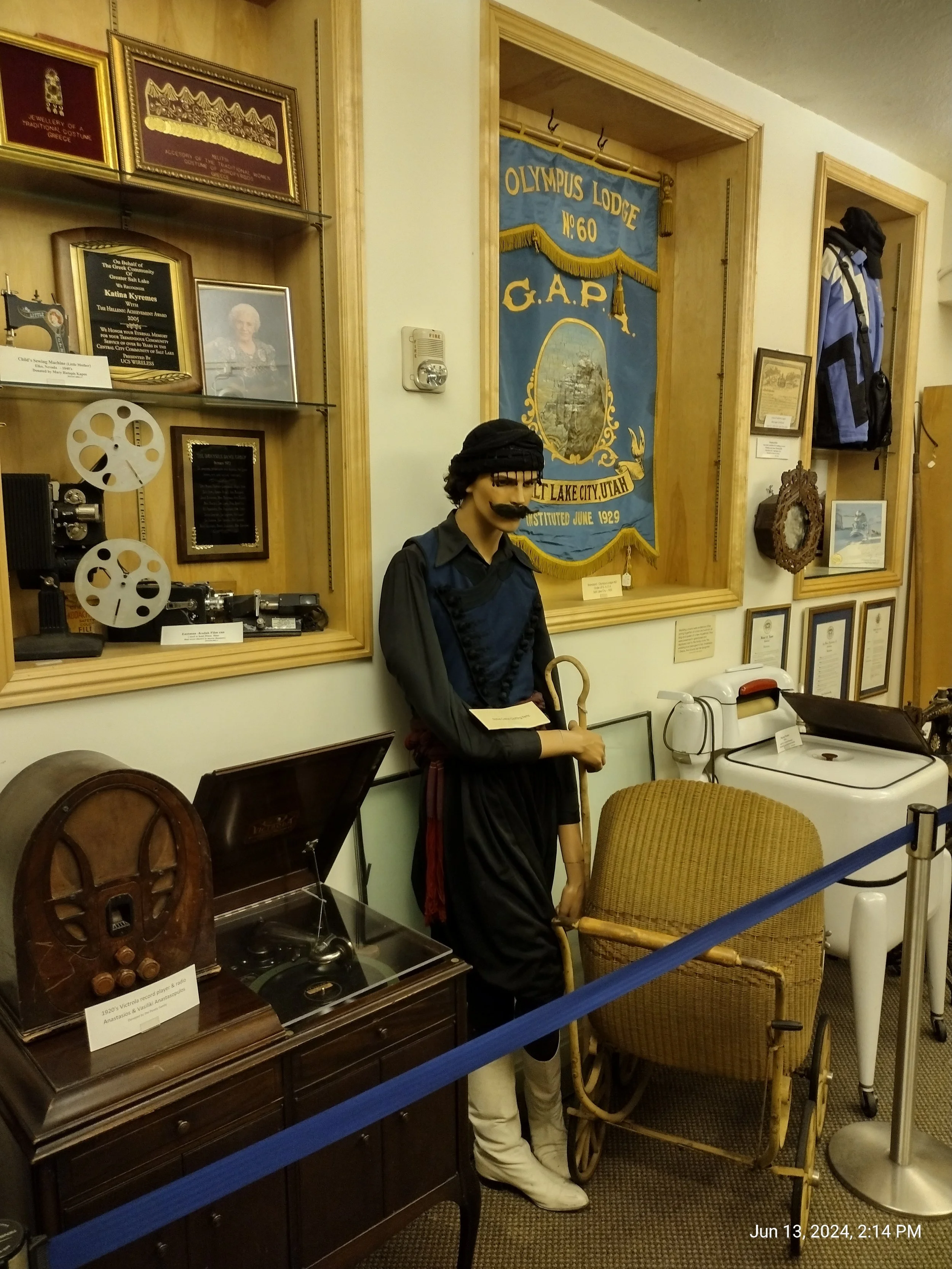
Hellenic Cultural Museum
The Hellenic Cultural Association is dedicated to preserving and sharing the rich traditions, history, and spirit of Greek heritage within our community. Through cultural programs, education, and events, it fosters a deeper appreciation for Hellenic culture across generations.
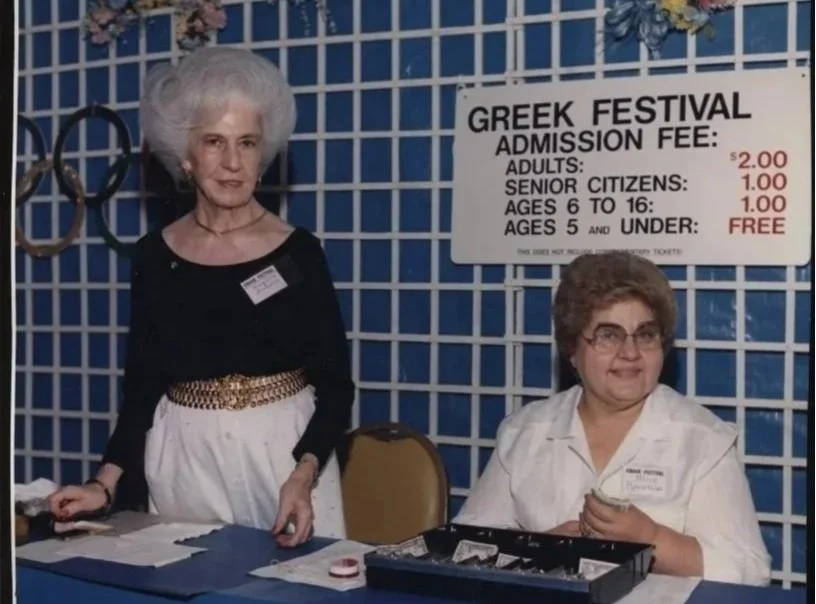
Throughout the Years
Over the years, our festival has grown into a cherished tradition, bringing together generations to celebrate Greek culture, food, music, and fellowship. Each year builds on the last, preserving our heritage while creating new memories for our community and visitors alike